On 16 March 2026, the FDA withdrew a proposed rule titled General and Plastic Surgery Devices: Restricted Sale, Distribution, and Use of Sunlamp Products. That proposal had been published on 22 December 2015 (80 FR 79493). The withdrawal notice states that the agency no longer intends to finalise it.
It is worth being precise about what the proposal would have done, because that is the thing that is now off the table:
The withdrawal notice was signed by the Secretary of Health and Human Services, and it states plainly that the action does not mean that UV radiation does not cause skin cancer (source: FDA withdrawal notice; reported 27 March 2026). The American Academy of Dermatology said it was disappointed by the withdrawal (source: AAD statement, 16 March 2026).
Two facts sit side by side here, and this article does not separate them for convenience. The rulemaking record changed. The physics did not. UV exposure from a sunlamp product is the same physical exposure on 17 March 2026 as it was on 15 March 2026, and the public-health position on that exposure did not change with the Federal Register entry.
What did change is where the description comes from.
The instrument that was withdrawn was a use restriction — who may be served, and what paperwork has to be signed. It was not the product standard.
Still in force, and untouched by the withdrawal:
So the federal layer did not stop regulating this product category. It stopped pursuing one particular federal use restriction.
|
Withdrawn — 16 March 2026 A federal use restriction. Proposed 22 December 2015 (80 FR 79493); never finalised.
|
Still standing The product layer, and the operator's other duties.
|
The withdrawal removed a proposed federal use restriction. It did not remove the product performance standard, the labelling requirements, the state layer, or the operator's own duties.
The practical result is three layers, and the middle one now carries more weight than it did:
|
Federal |
Product standard. What the equipment must be: irradiance and spectral limits, labelling and warnings (21 CFR 1040.20; 21 CFR 878.4635). |
|
State |
Use restrictions. Who may be served, and under what conditions — most states impose their own restrictions or prohibitions, including by age. |
|
Facility |
Operating responsibility. The procedure, the records and the equipment — the layer that has to describe an exposure when a federal use restriction is no longer doing it. |
The bottom layer — highlighted — is the one now carrying what the federal layer no longer does.
The top layer still tells the manufacturer what the equipment must be. The middle layer tells the operator who may be served, and it varies by state. The bottom layer — the facility's own procedure, records and equipment — was always there. With one federal use restriction removed from the picture, it is now carrying what the federal layer is not carrying.
We are not claiming the withdrawal changed anything about the risk of UV exposure. It did not. The association between UV exposure — including the UVA wavelengths used in tanning equipment — and skin cancer is a matter of established physics and long-standing public-health consensus, and no change in a rulemaking docket alters it. The withdrawal notice says so itself, in the sentence quoted above. The American Academy of Dermatology, the principal US dermatology body, opposed the withdrawal. We are not going to describe the removal of a proposed restriction as a reduction in risk, because it is not one.
We are also not giving medical or legal advice. Nothing here interprets a regulation, and nothing here tells a facility whether it is compliant. What applies to you depends on your state, your equipment and your operation.
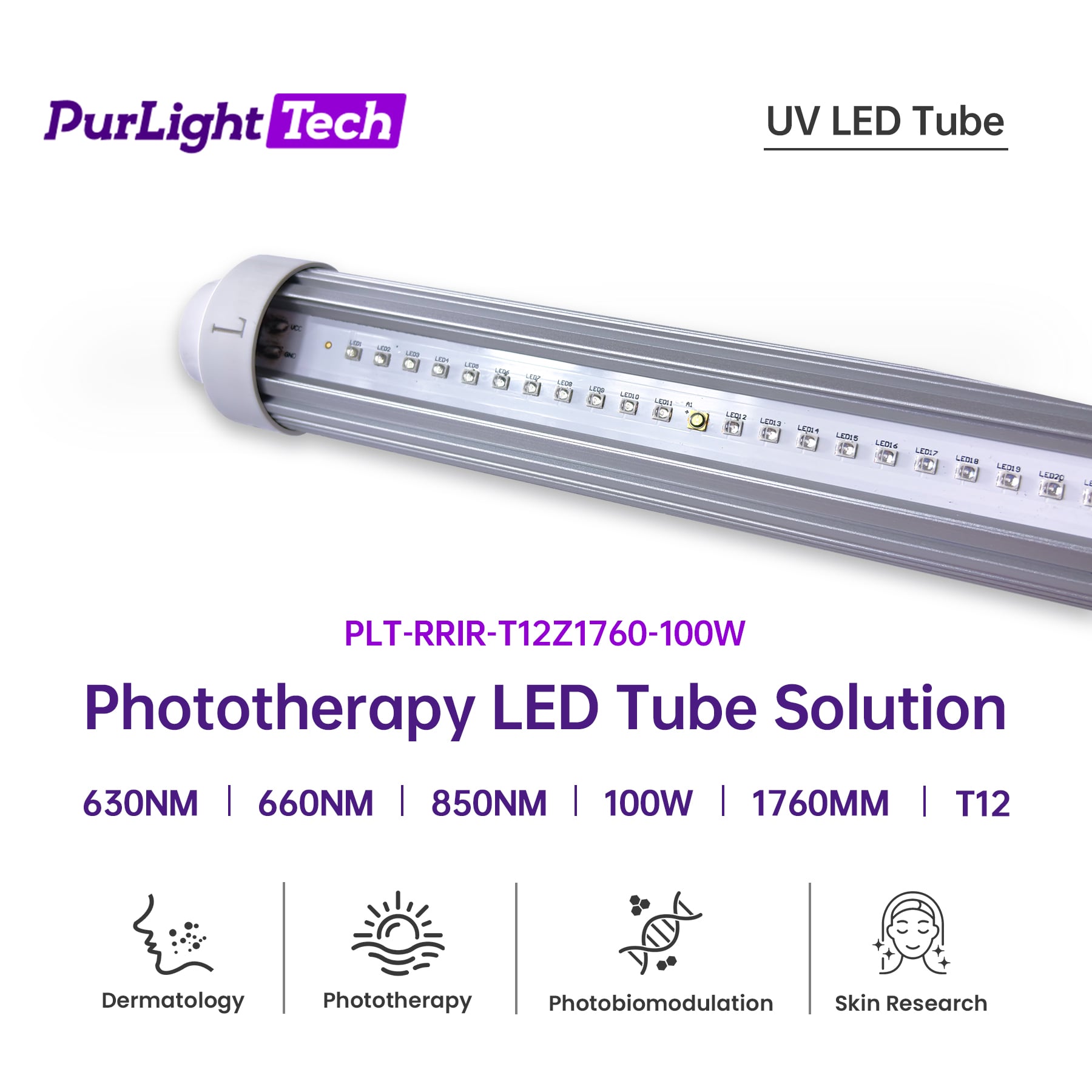
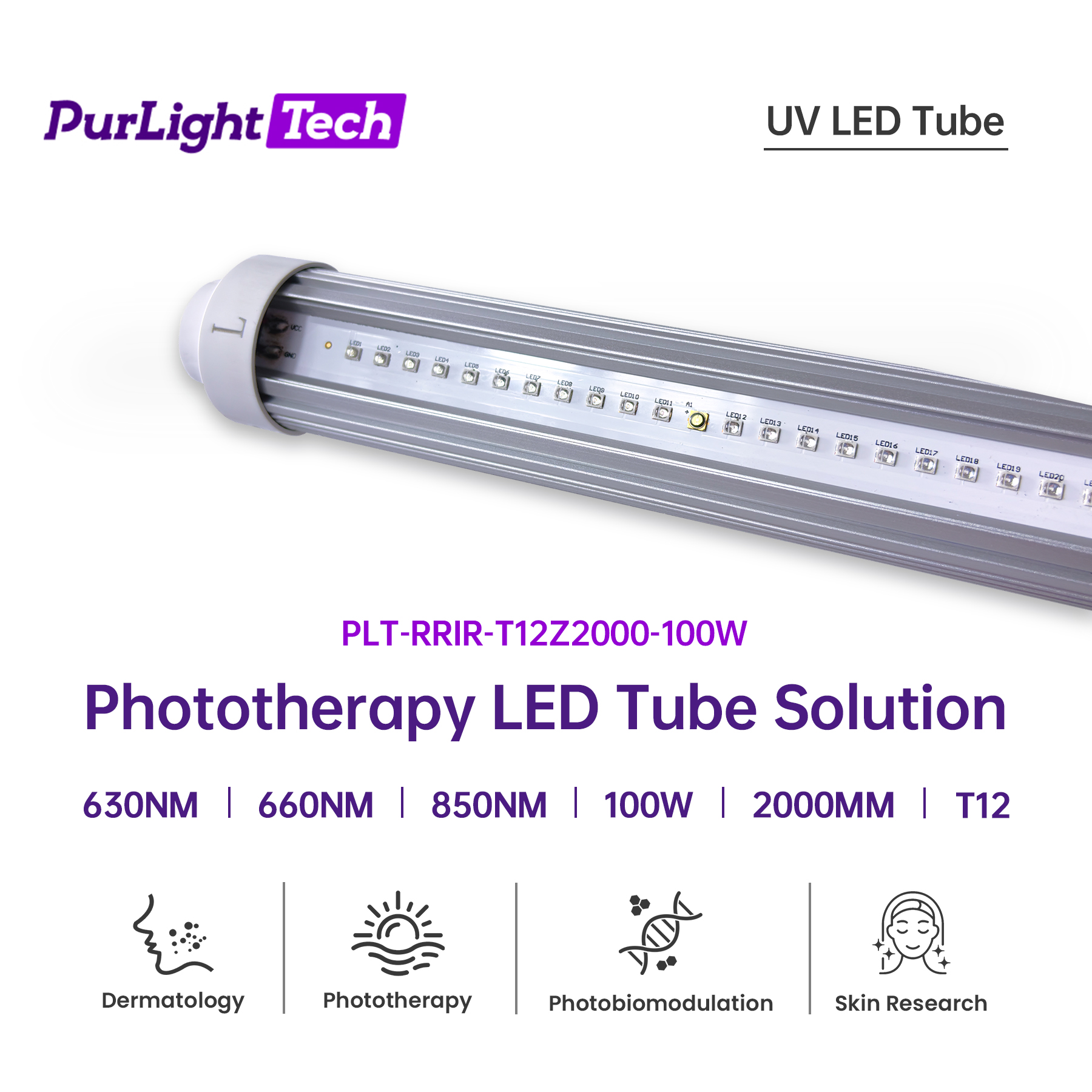
And we are not claiming that a UV LED tube changes the risk of UV exposure. A light source does not change what UV does to skin. What a light source can change is whether the exposure a facility delivers is known — and that is the whole of the argument below.
A session is an exposure. It has the dimensions any exposure has: an output delivered over a time.
Regulating who may be exposed is a use restriction. Describing what the exposure is is an operating question — and it is the one a facility is left holding when the federal use restriction is withdrawn.
That distinction matters because of what a procedure can and cannot do on its own. A facility can write "eight minutes" in an operating procedure. But a procedure can only be as precise as the equipment behind it allows. "Eight minutes" is a quantity only if the output behind it is known and repeatable. If the output is unknown, or has drifted since the last service visit, then "eight minutes" is a label rather than a measurement.
Which is why the equipment layer is where this lands.
| At the start of the service interval | ||||||
|
Output |
× same session time |
Exposure delivered |
||||
| Later in the same service interval | ||||||
|
Output |
× same session time |
Exposure delivered |
||||
Schematic only. The bar lengths are illustrative and are not performance data. How fast output declines depends on the tube, the drive conditions and the installation, and it has to be measured for your own equipment.
If a facility has to describe an exposure, then the tube has to make four things knowable.
1. That its spectral output sits inside the band it claims. A tube sold for this application should be specified against the band definition used in the federal performance standard's framing — not against a colloquial description of the light's appearance to the eye. Ask for the stated band in writing, and ask for the measurement that establishes it, because a description of how the light looks to the eye is not a spectral specification.
2. That output decline over the service interval is acknowledged and quantified. UV output falls as the device ages, and it also shifts with the electrical and thermal conditions it actually runs at. The consequence is direct: the same session time does not deliver the same exposure at the end of a service interval as it did at the beginning. A facility that has not accounted for that is running a procedure whose meaning drifts.
3. That output is measurable, and that the measurement travels with the product. A datasheet describes a product line; a measurement describes the tube in the fixture. Ask for the output measured under stated drive conditions — on the delivered batch, or at installation — and ask what instrument and what reference conditions were used. A "typical" value with a wide spread behind it describes a population, not a component. Where a lifetime threshold such as L70 is used as a procurement filter, treat it as a screening criterion rather than a guarantee, and read it from the supplier's test report for the actual drive configuration.
4. That replacement follows output, not visible failure. Here is the failure mode that belongs in every facility's procedure: UV output loss is invisible. The tube still lights up. It may look exactly as it looked on the day it was installed, to anyone standing in the room. A replacement policy triggered by "it looks dim" or "it stopped working" is triggered by the wrong signal — it detects catastrophic failure and misses the gradual loss that changes every exposure in between.
Seven items, written to be actionable rather than aspirational:
The proposed rule that would have prohibited use by persons under 18 was withdrawn, so that federal restriction was never finalised. State law is a separate layer: most states impose their own restrictions or prohibitions on indoor tanning, including by age. What applies to a specific facility depends on its state, and the requirements should be confirmed with the state authority.
No. The withdrawal notice itself states that the action does not mean that UV radiation does not cause skin cancer. The relationship between UV exposure and skin cancer was not part of what the agency withdrew, and it is unchanged.
Yes. The sunlamp products performance standard at 21 CFR 1040.20 was not the subject of the withdrawal, and the labelling provisions — including 21 CFR 878.4635 — remain in place, as do the FDA labelling requirements in place since 2014.
A session: the exposure actually delivered. That means the output basis behind the timer setting, the band the tube is specified to, and the measurement record that shows where that output sat at the time — not only the number of minutes in the procedure.
Because delivered exposure is output multiplied by time. If output falls over the service interval, the same session time delivers less exposure — and the loss is gradual, so nothing about the equipment's appearance tells the operator it has happened.
Measurement should trigger, and a schedule should back it up. A schedule assumes a rate of decline under assumed conditions; a measurement describes what is happening in your fixtures. Build the schedule from the supplier's information, then let the measurements tell you when a tube has actually reached the point of replacement.
No. PurlightTech supplies UV LED tubes and the measurement documentation that accompanies them. Whether a particular facility is compliant is a question for its state authority and its own counsel, and nothing in this article should be read as an answer to it.
The rulemaking record changed on 16 March 2026. The physics did not, and neither did the public-health position on UV exposure — the FDA's own withdrawal notice and the American Academy of Dermatology's response both say so.
What changed is where the description has to come from. With the federal use restriction off the table, a facility's own procedure, records and equipment carry more of the weight. And a procedure can only describe an exposure if the hardware makes that exposure knowable: a stated band, an acknowledged output decline, a measurement that travels with the tube, and a replacement decision that follows measurement rather than appearance.
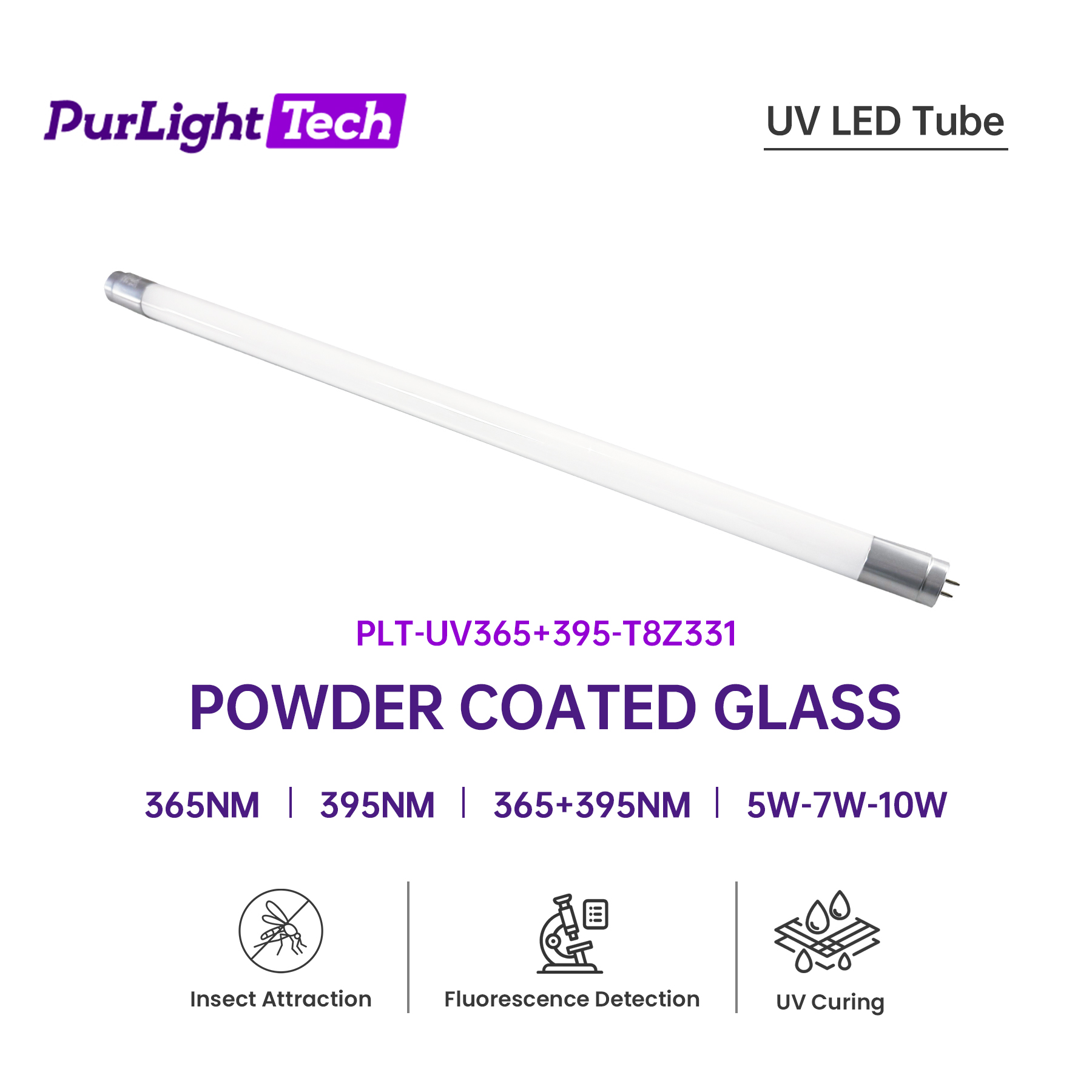
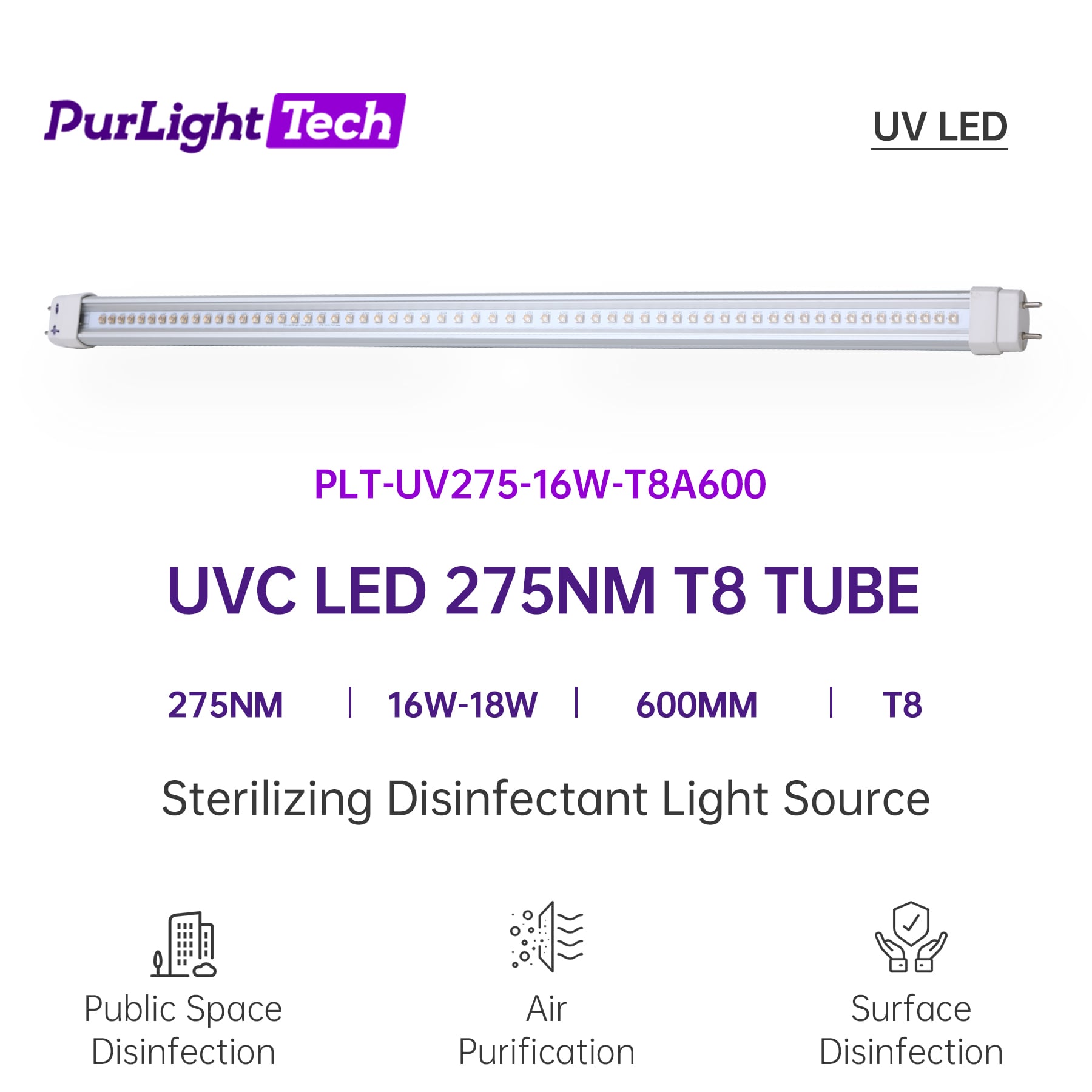
That is the equipment layer, and it is the one thing a UV LED tube is actually being asked to prove. PurlightTech builds UV LED tubes for this application and supplies the measurement documentation that accompanies them.
Safety note and disclaimer: UV exposure — including the UVA wavelengths emitted by tanning equipment — is associated with skin cancer and other harm, and public-health authorities including the FDA and the American Academy of Dermatology advise against intentional UV tanning. This article is not legal or medical advice, it does not interpret any requirement, and it should not be read as a claim that any tanning equipment removes the risk of UV exposure. Confirm the requirements that apply to your facility with your state authority and your own counsel. All performance figures are typical reference values and must be validated for your specific application.
 Hot News
2026-03-31
2025-03-17
2025-03-17
2025-03-17


 EN