Discover the hidden science behind UV phototaxis and why visual brightness is a misleading metric for industrial-grade pest management.
You’ve spent the budget. You’ve installed the traps across your 50,000-square-foot warehouse. At night, the facility glows with a futuristic blue light. To any human eye, it looks perfect. But there’s a problem: the fly counts aren’t dropping, and your upcoming FDA or health audit is looking risky.
Why are the flies ignoring your brand-new, bright blue lights? The answer is simple: Insects don’t care about "visual brightness." They care about the "UV Signal."
Think of a mosquito or a fly like a radio. They aren't looking for "light" in the way we are; they are searching for a very specific Ultraviolet (UV) "frequency."
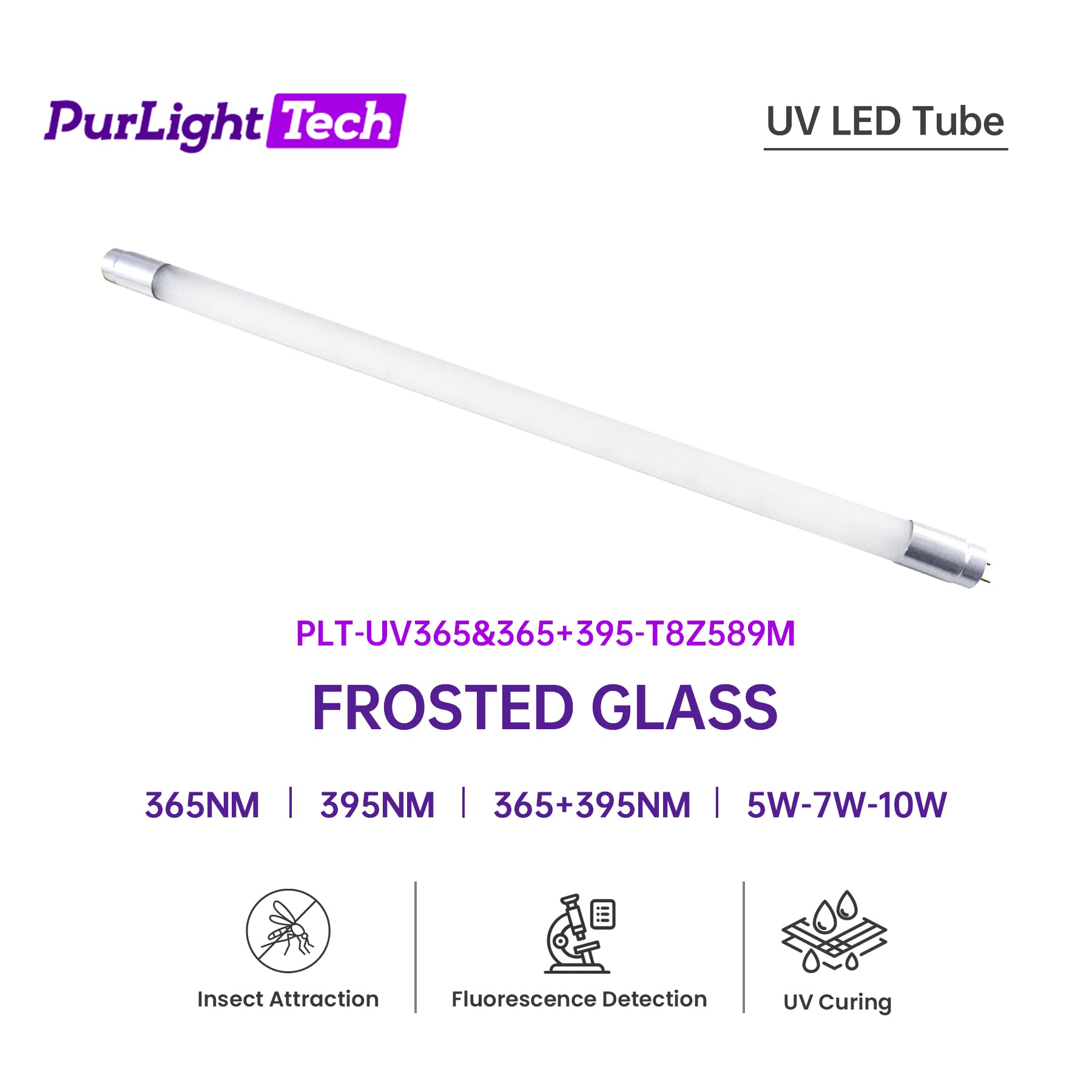
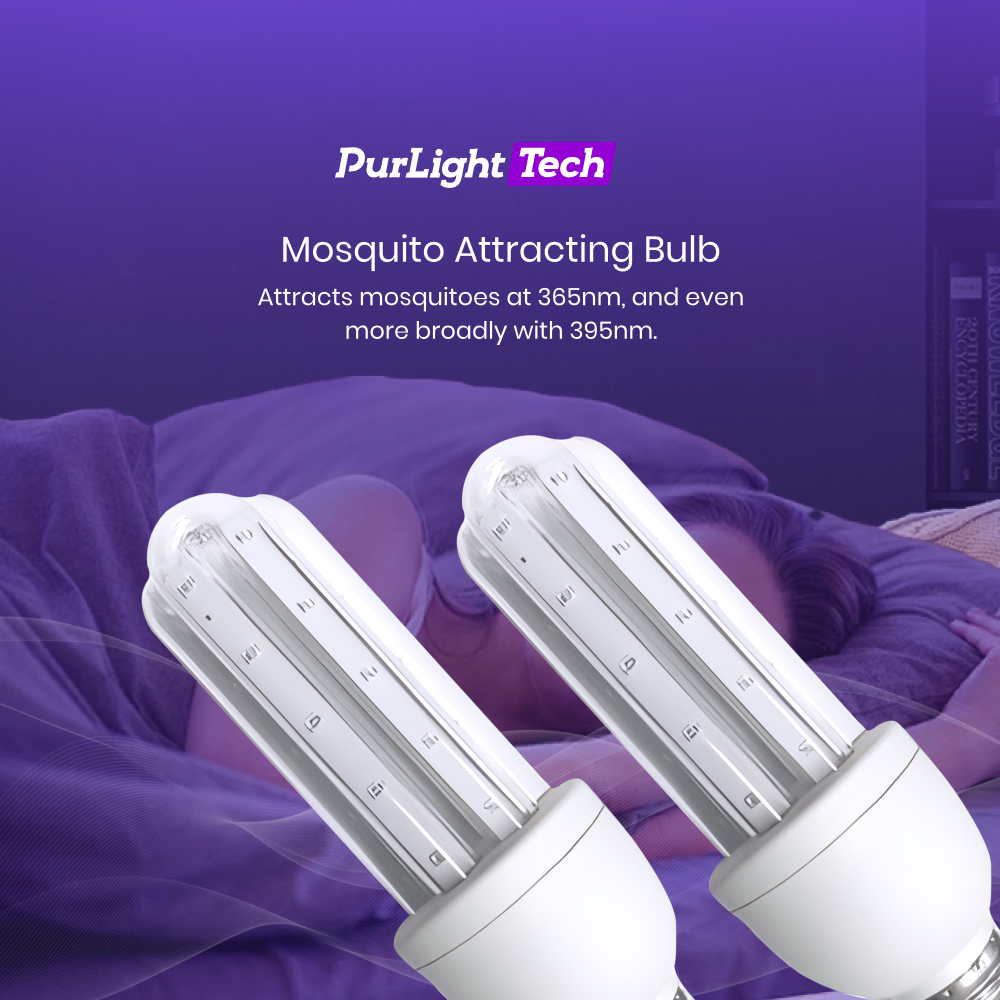
Science has proven that most flying pests are biologically tuned to exactly 365nm UV Light. To a bug, this wavelength is a high-contrast beacon. If your lamp emits high-purity UV light at 365nm, the bugs will find it. If it emits at 380nm or 390nm, it might look "brighter" to a human, but to a fly, it’s just background noise.
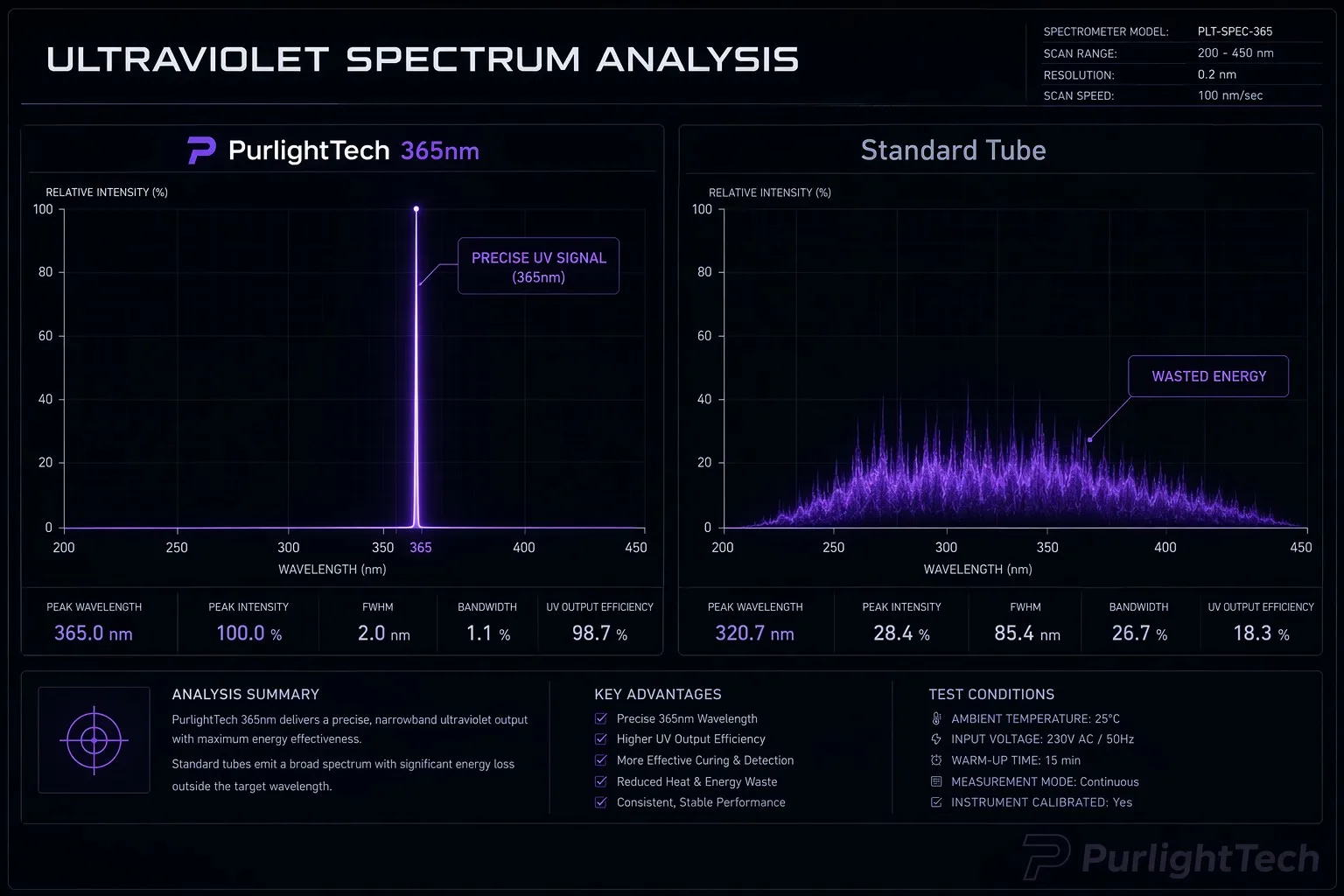
The Professional Difference: Cheap tubes often have massive "spectral drift." The visible light is still on, but the UV station has gone off the air. PurlightTech’s tubes feature Spectrum Locking, ensuring the signal stays pinned for years.
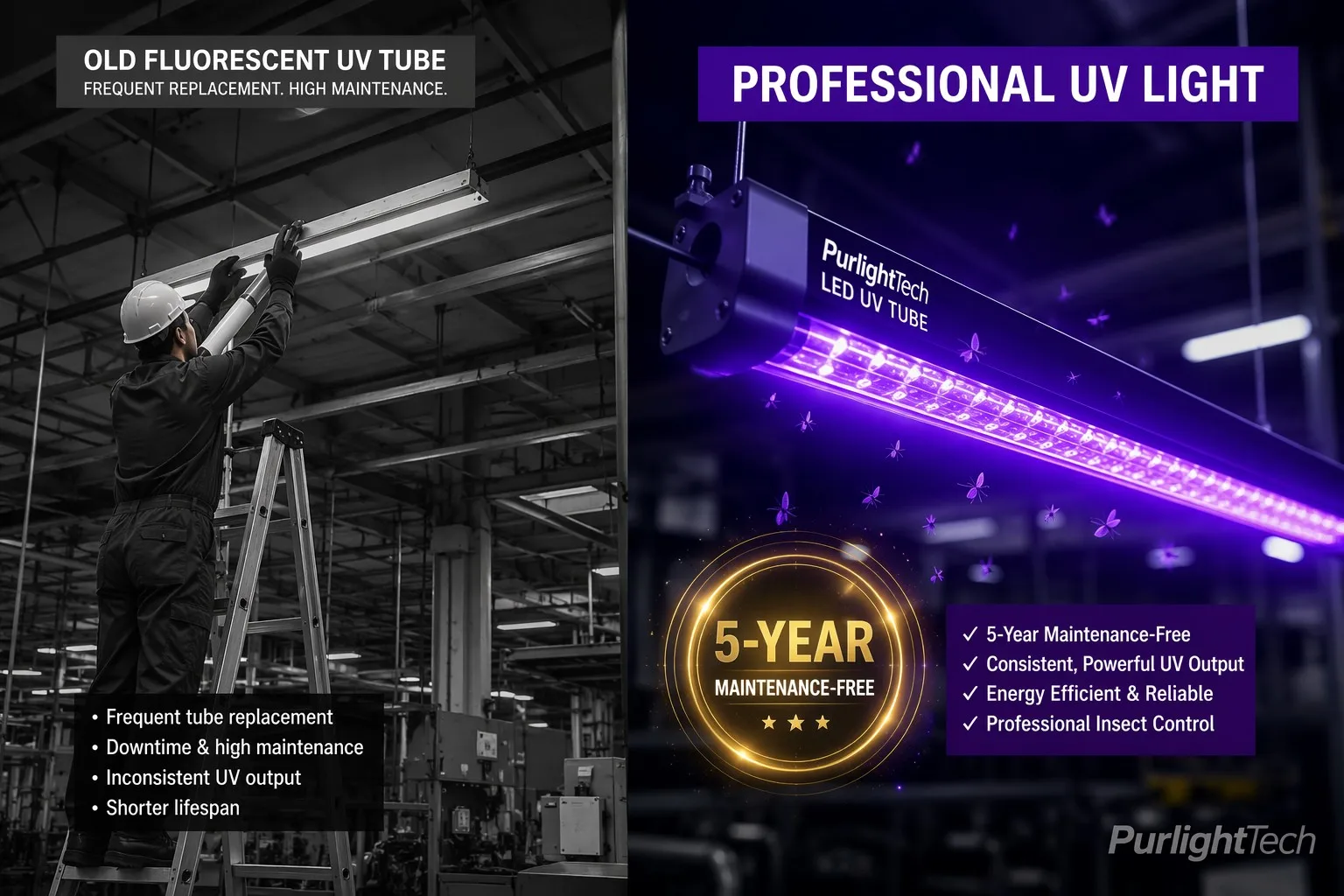
Standard fluorescent UV tubes lose up to 50% of their attraction power in the first 2,000 hours. Because the human eye can’t see ultraviolet light, you won’t notice the decay. PurlightTech uses industrial-grade UV LED technology with an L70 rating of 50,000 hours. This means consistent effectiveness for over five years.
In a commercial setting, the cost of a lamp isn't just the invoice—it’s the cost of the ladder. Paying maintenance staff to swap tubes every few months is a massive drain on profit.
| Metric | Cheap UV Tubes | PurlightTech LED |
|---|---|---|
| Replacement Cycle | Every 6-9 Months | Every 5+ Years |
| UV Signal Stability | Rapid Decay | Locked (L70) |
| Labor Cost | High (Recurring) | Zero (Long-term) |
 Hot News
2026-03-31
2025-03-17
2025-03-17
2025-03-17


 EN
EN